

We all know how music can move us. But what if playing it could also change how your brain ages, and how you cope with a bad week?
The benefits of learning music go well beyond creativity. A growing body of research links playing an instrument with sharper thinking, lower stress and a healthier brain in later life. Some of that evidence is strong, some of it is early, and a few popular claims don't hold up as well as they're usually made to sound. This article sorts one from the other.
- Are there advantages to learning to play a musical instrument?
- 10 proven benefits to learning to play a musical instrument
- What the research can and can't tell us
- Start learning music for free
- FAQs: Benefits of learning music
Are there advantages to learning to play a musical instrument?
Yes – though how big they are depends on which benefit you mean.
Scientists have spent years studying how musical training affects the brain and body, and the results are nothing short of amazing.
✓ Better memory and attention
✓ Stronger coordination and motor skills
✓ Lower stress levels
✓ Better listening skills
✓ More confidence and a stronger sense of progress
✓ A possible protective effect on the brain as we age
And it's never too late to start. Recent studies of people in their seventies suggest older beginners can benefit too, with one big proviso: the effects seem to depend on keeping going.
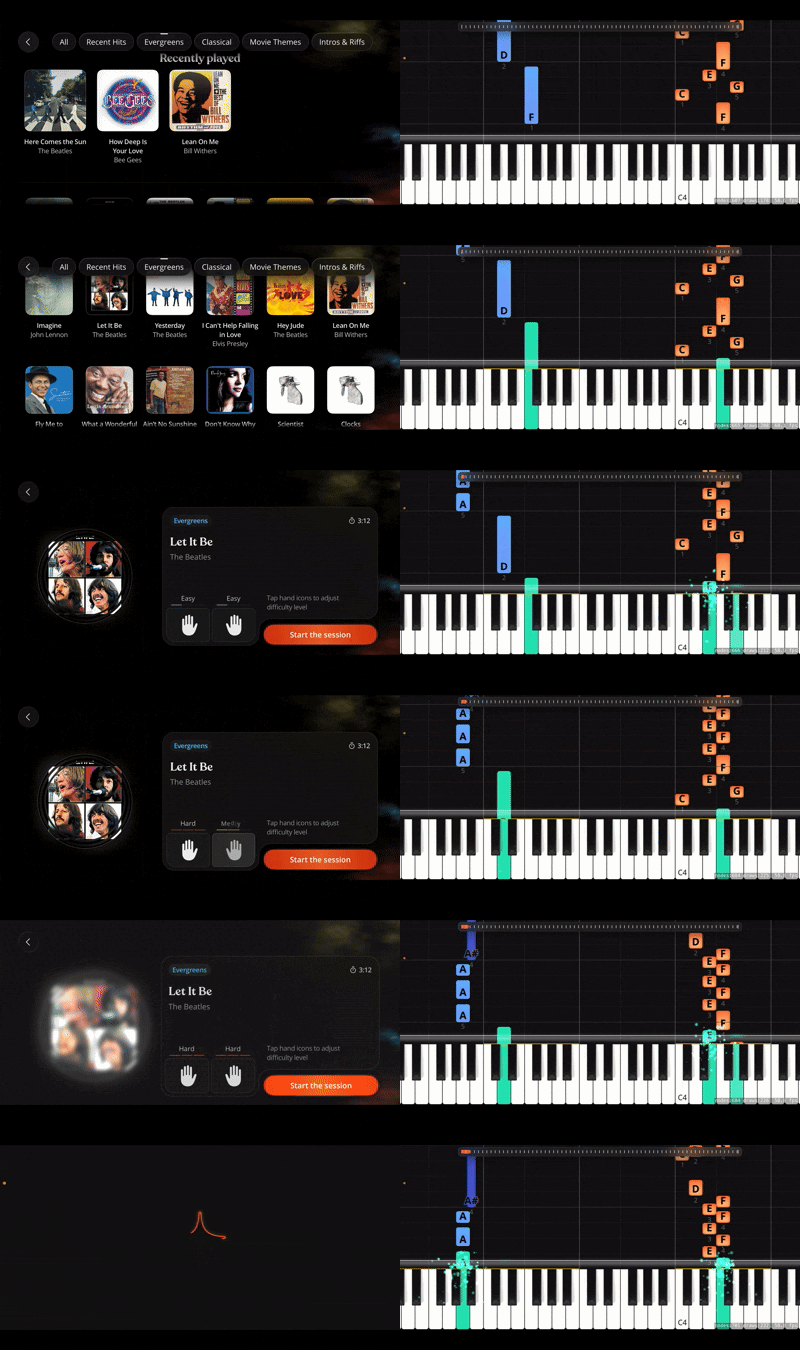
💡 ARTMASTER TIP: One study found that, of all the instruments, the piano appeared to offer the most benefits. It’s also one of the easiest to start, with every note laid out in front of you. If you’re an absolute beginner, try Artie, our piano learning app. It listens as you play, gives you real-time feedback and helps you learn songs step by step.
 Download Artie on the App Store
10 proven benefits to learning to play a musical instrument
1. Playing music is a full-brain workout
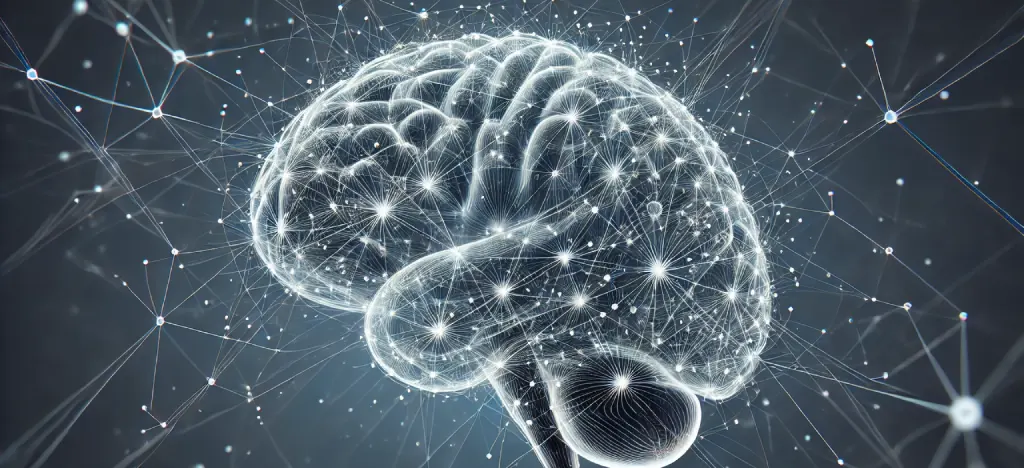
Ever wondered why musicians seem to have sharper focus, faster reflexes and better memory? Part of the answer is how much playing asks of the brain at once.
When you play, you're not just processing sound. You're reading or remembering what comes next, controlling two hands that do different jobs, listening to the result and adjusting on the fly. Brain-imaging studies have repeatedly found that musical activity recruits auditory, motor and sensory areas together, which is why it's often described as a whole-brain activity.
Hand-eye coordination: Playing requires each hand to move independently, which puts real demands on fine motor control.
Cognitive function: Following a chord chart, keeping time and anticipating the next change all exercise planning and attention.
Multi-sensory stimulation: Unlike passive listening, playing combines sight, sound, touch and emotion in a single loop.
A note on the popular claim that music uses "both sides of the brain": it's true as far as it goes, but nearly every complex activity does, so it isn't what makes music special. The more interesting point is how tightly the senses and movement are tied together when you play.
2. Musical training supports cognition throughout life

Learning an instrument can change the brain, and some of the most interesting recent work looks at people who start late.
A study published in Frontiers in Psychology found that musicians develop stronger neural connections that support cognitive performance. The brain's ability to adapt and reorganise itself – neuroplasticity – is part of why.
The newer evidence is about what happens in older age:
Starting late still counts. A Kyoto University team followed a group of adults with an average age of 73 who had learned an instrument from scratch in a four-month course. Four years on, published in Imaging Neuroscience, those who had kept playing held steady on verbal working memory and on the volume of a brain region called the right putamen. Those who had stopped declined on both. The two groups looked alike at the start.
Keeping going seems to matter. A 2025 study in GeroScience scanned 61 people aged 50 or over who were at risk of dementia. Active musicians had more grey matter in four regions than people who'd never played, but former players who'd stopped years ago looked no different from non-players. The study is small and can't prove cause and effect, and it found no difference on memory or executive-function tests. It's a hint rather than a verdict.
Neither study means a few lessons will protect you for life. They point the same way, though: the benefits of playing look like something you keep by continuing to play.
3. Playing music can help with stress and mood

Feeling stressed or overwhelmed? Picking up an instrument is a good way to give your attention somewhere else for half an hour. The trial evidence, though, is more specific than the headline version suggests.
The strongest evidence is for music therapy and music listening. A 2025 review in eClinicalMedicine pooled 51 studies and 3,276 people and found music therapy reduced anxiety by a medium amount. Approaches based on listening, or a mix of listening and playing, did better than approaches based only on playing or singing. Heart-rate and other physical measures didn't show a clear effect. On wellbeing more broadly, a 2025 meta-analysis in Frontiers in Psychology found benefits from music therapy, but no significant gain from music training among people without a clinical condition. It pooled only 10 small studies, so treat it as a caution rather than a conclusion.
What does that mean for you?
Music helps, and you don't have to play to feel it. Listening counts, and the research is at its strongest there.
Playing offers something listening doesn't. It holds your attention completely, which is a large part of why people describe practice as a way to switch off.
Learning is not therapy. If you're struggling with anxiety or low mood, music is a good companion to proper support, not a replacement for it.
4. Playing an instrument and your physical health

Playing music is good for the body in some obvious ways and some less obvious ones. It's also the area where the evidence is thinnest, so it's worth being careful.
Stress and cortisol: Small studies have linked music-making with lower levels of the stress hormone cortisol. The research is early and mostly involves listening and singing rather than instrument practice.
Immune markers: A handful of small pilot studies have looked at antibody and immune markers in people who make music. It's an interesting line of research, but the results are preliminary, and "boosts your immune system" goes further than the evidence does.
Motor skills and coordination: This is the safest claim of the lot. The fine movements involved in playing – independent fingers, precise timing – train dexterity and control, and they get better with practice.
💡 ARTMASTER TIP: Whether you're pressing piano keys, plucking guitar strings, or handling drumsticks, precise timing is key to developing motor skills. One of the best tools for refining coordination is a metronome. Here’s how to use a metronome effectively.
5. It sharpens your listening

Musicians don't just hear music – they listen in a way most people don't. Learning to play trains the brain to pick apart sounds more accurately.
A study from Baycrest Health Sciences, published in the Journal of Neuroscience, found that musical training fine-tunes the brain's auditory system, improving the ability to detect subtle differences in pitch, tone and rhythm.
Better auditory processing: Musicians' brains get better at telling similar sounds apart, which can help in noisy places.
Speech in noise: Some studies suggest lifelong musicians cope better with following a conversation in a crowded room as they age.
A caveat: That's about how the brain processes sound, not the ear itself. Playing an instrument won't stop age-related hearing loss, and if you play loud music, protect your ears.
The benefits reach beyond music: better listening helps with conversation, and researchers are exploring what it could mean for people with auditory processing difficulties.
6. Playing music strengthens social bonds

Music has a way of bringing people together: a jam session, a choir, or just playing along with a friend.
A study published in Frontiers in Psychology found that making music with others creates a strong sense of belonging and emotional connection.
Teamwork and communication: Playing in a band or ensemble means listening, adapting and coordinating with other people.
Emotional connection: Synchronised activities such as playing or singing in time seem to increase feelings of closeness.
Confidence around others: Performing, even to a small group, can make sharing something of yourself easier.
Common ground: Music is a way for people from different backgrounds to find something to do together.
Newer work is looking at community music and loneliness, and group singing in older adults. It's promising, but the studies are small and early.
7. It builds discipline and a sense of routine

Getting good at an instrument takes more than talent. It takes structure and a habit of turning up.
Not much of this has been tested in trials, so it's fair to describe it as what practice itself asks of you, rather than as a proven effect that transfers to the rest of life. Still, anyone who has learned a song from scratch will recognise it:
Goal setting: You break a hard piece into small, achievable chunks.
Routine: Ten minutes a day beats an hour once a month, and you find that out quickly.
Focus: A structured practice session is good training for holding your attention on one thing.
Patience: Progress comes in small steps, and you learn to wait for it.
8. Playing music feeds creativity

Feel stuck in a rut? Playing an instrument can help you think differently about a problem, or at least give you a new way to spend an evening.
The link between musical training and creativity is plausible but less well tested than the headlines suggest. What's clearer is what the activity itself involves:
Trying several routes to the same place: Working out how to voice a chord or phrase a melody is a small exercise in exploring options.
Pattern recognition: Understanding how chords and rhythms are put together makes it easier to spot – and break – patterns.
Self-expression: Writing a song, improvising or interpreting a piece in your own way develops a voice of your own.
💡 ARTMASTER TIP: Many of history’s greatest songwriters have used unexpected techniques to spark creativity. Find out more in our article - Inspirational techniques songwriters use to craft hits.
9. Develops self-esteem and confidence

Nothing boosts confidence like learning a skill, getting stuck, and seeing yourself improve.
Getting through a tricky chord change, or playing a whole song for the first time, gives you something concrete to point to. As with discipline, this is as much a description of learning any skill as a finding specific to music – but music makes progress unusually easy to hear.
Perseverance: Working through difficulties in practice builds resilience.
A sense of accomplishment: Playing a full song is a tangible marker of progress.
Comfort with others: Playing for a friend, even in a small setting, makes performing feel less daunting.
Your own voice: Music gives you room to develop a style that's yours.
10. Music is a lifelong skill with lasting benefits

Unlike many hobbies that fade, an instrument is something you can carry through life – and the newest research suggests it may be worth keeping up.
Dementia risk: A 2025 study from Monash University, published in the International Journal of Geriatric Psychiatry, followed more than 10,800 adults aged 70 or over. Those who played an instrument had a 35% lower risk of dementia, and those who listened to music always or most days had a 39% lower risk. The researchers stress that this shows an association, not a cause. Doing both wasn't better than listening alone, and the study doesn't say what kind of music people listened to or for how long.
Keeping the brain active: The Kyoto and GeroScience findings above suggest that continuing to play, rather than having played once, is what counts.
Staying connected: Playing with others can help older adults stay socially engaged, which matters for wellbeing in itself.
Skills that stay with you: Learning new songs, techniques or even a new instrument keeps the brain working on something new.
Pick one up at 7 or at 70, and an instrument is a companion that keeps giving back.
💡 ARTMASTER TIP: Want to explore how music helps at every stage of life?
Why learning music is one of the best things your child can do
Discover how music boosts brain development, emotional skills, and focus in children.Can playing music help you live longer? Science says yes
Learn how staying musical supports healthy ageing — and why your brain and body will thank you later.
What the research can and can't tell us
Most studies in this area are observational: they compare people who play music with people who don't, and people who choose to play may differ in ways nobody has measured. Trials that assign people to learn an instrument are smaller and shorter. That doesn't make the findings wrong. It does mean "linked with" is usually the honest phrase, and that the biggest effects tend to appear in older people and in studies where people keep playing for years.
The most reliable message is a modest one: playing music is enjoyable, it asks a lot of your brain, and the people who keep at it seem to get something lasting from it. That's a good enough reason to start.
Start learning music for free
Ready to experience the benefits of learning music for yourself?
Try ArtMaster courses in piano, guitar, bass, singing, music production and more.
or
Start learning piano with Artie, our AI piano app that listens as you play and gives you feedback as you learn.
FAQs: Benefits of learning music
What are the cognitive benefits of learning music?
Learning music improves memory, attention, problem-solving, and executive function. It engages both sides of the brain and strengthens neural pathways that support long-term cognitive performance — especially when started at a young age, but still beneficial at any age.
Can music really help with mental health?
Yes. Playing an instrument has been shown to reduce stress, anxiety, and symptoms of depression. It encourages mindfulness, boosts mood-related chemicals like dopamine and serotonin, and provides a healthy emotional outlet.
Is learning music good for children’s development?
Absolutely. Music education helps children develop better focus, discipline, emotional regulation, and even language and maths skills. It also improves motor coordination and social interaction through group play.
👉 Related read: Why learning music is one of the best things your child can do
Does musical training offer any physical health benefits?
Yes. Playing music reduces stress hormones, supports the immune system, and promotes better coordination, posture, and fine motor skills. It can also help regulate heart rate and breathing — similar to meditation.
Am I too old to start learning an instrument?
Not at all. Adults and seniors who take up music later in life still benefit from improved memory, emotional well-being, and even slower cognitive decline. It’s never too late to begin.
👉 Explore more: Can playing music help you live longer?
About the author
Matt Ford is a musician, teacher, writer, and lifelong student of sound.
With years of experience in both performing and teaching, he shares practical advice through ArtMaster to help musicians at every level build skill and confidence in their playing.