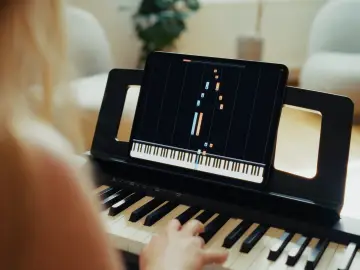
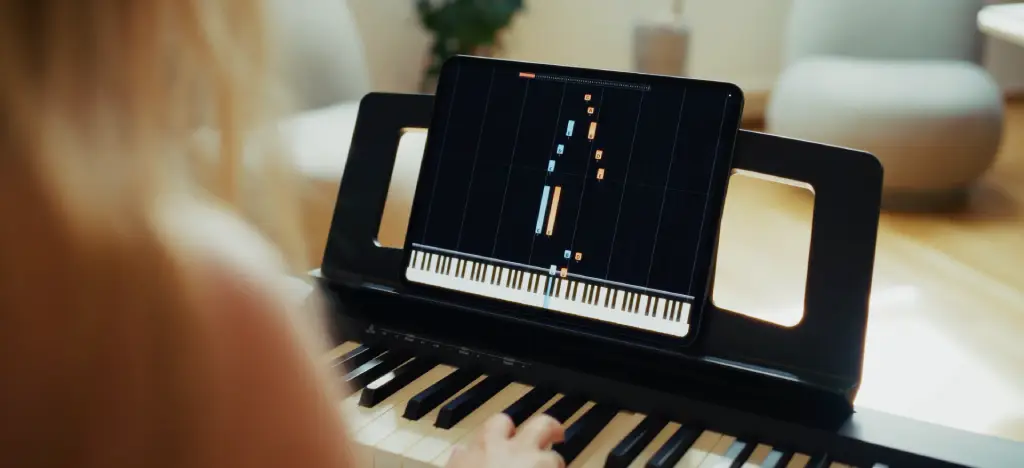
Yes, you can learn piano with an app. I don't mean that an app can replace everything you'd get from years of traditional piano lessons. If your goal is to become a classically trained pianist, you're still going to need to learn to read music properly, develop your technique and, ideally, work with a good teacher.
But that's not what everyone means when they say they want to learn piano. Sometimes you just want to sit down at a piano and actually be able to play something. And that's where I think piano apps can work surprisingly well.
- My experience learning piano
- Piano apps are surprisingly different
- What does "learning piano" actually mean?
- I learned pieces I wouldn't normally have attempted
- Learning patterns rather than just following notes
- Where piano apps fall short
- Do you need a piano teacher?
- So, can you really learn piano with an app?
- About the author
- FAQs: learning piano with an app
My experience learning piano
I have a fairly strong musical background, including classical training, playing in bands and studying and teaching music. But piano was always a bit of a gap. I had lessons as a kid but never really got comfortable reading sheet music with both hands. When I came back to piano much later, I mostly improvised with chords and arpeggios rather than learning existing pieces.
That changed when I started using piano apps.
Piano apps are surprisingly different
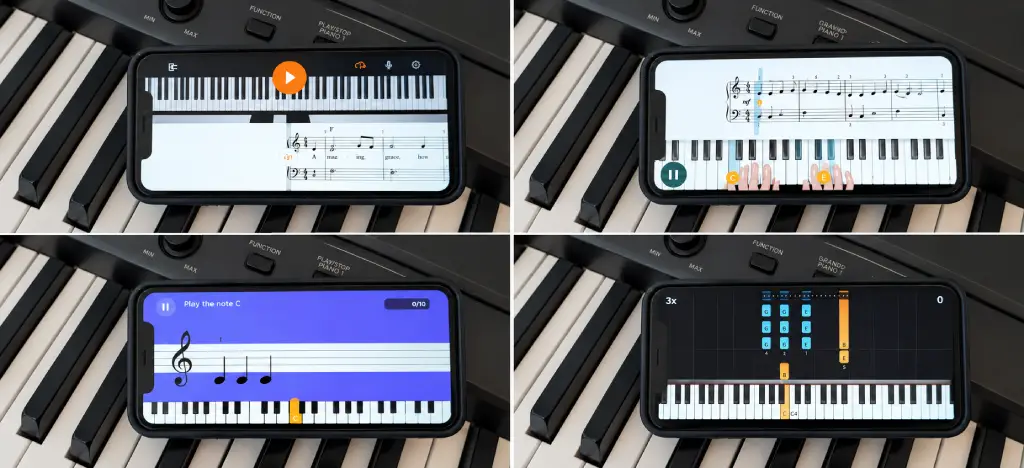 I've now tried Simply Piano, Flowkey, Skoove, Yousician and Artie, and one of the first things that struck me was just how different they are. "Piano app" sounds like a single category, but the experience can be completely different depending on which one you choose.
Simply Piano, for example, felt quite geared towards kids to me, while other apps lean more heavily into traditional notation and structured lessons. Artie takes a different approach and uses falling notes to show you what to play. Personally, that's the approach I prefer and, more importantly, it was the one that got me playing actual music the quickest.
💡 ARTMASTER TIP: Not sure which piano app is right for you? I tested Artie, Simply Piano, Flowkey, Skoove and Yousician side by side in my guide to the best piano learning apps in 2026.
What does "learning piano" actually mean?
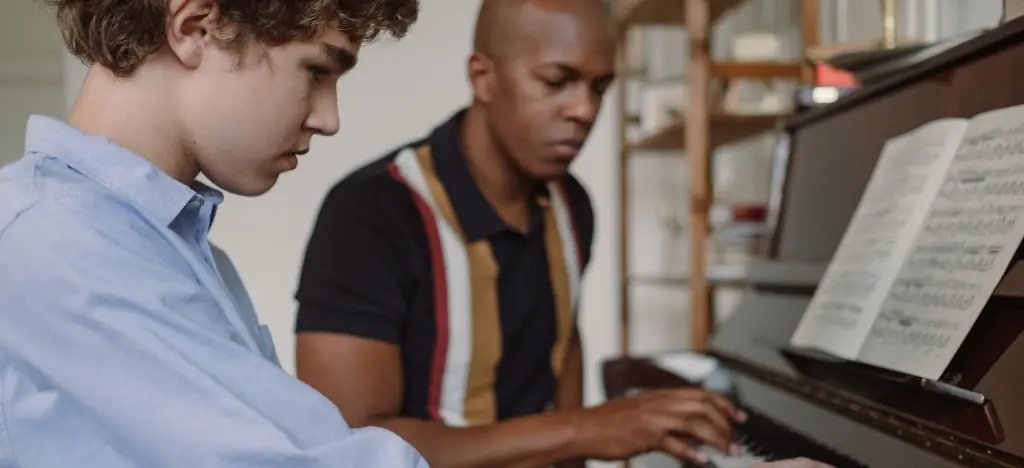
This is where I think a lot of discussions about piano-learning apps go wrong. There's an assumption that learning piano means following the same path as someone taking traditional piano lessons: learning notation, scales, theory, technique, sight-reading and progressively more difficult repertoire.
That's certainly one way to learn piano, and it's the right path if you want classical training. But I don't think everyone needs to have that goal. If you simply want to play Clocks by Coldplay, or sit down in the evening and play a Chopin prelude because you love how it sounds, I don't think you need to understand all the underlying theory before you're allowed to do that. Music should be as accessible as possible.
💡 ARTMASTER TIP: Sheet music isn't the only way to learn. Our guide to learning piano without reading sheet music looks at falling notes, chords, playing by ear and other visual approaches.
I learned pieces I wouldn't normally have attempted
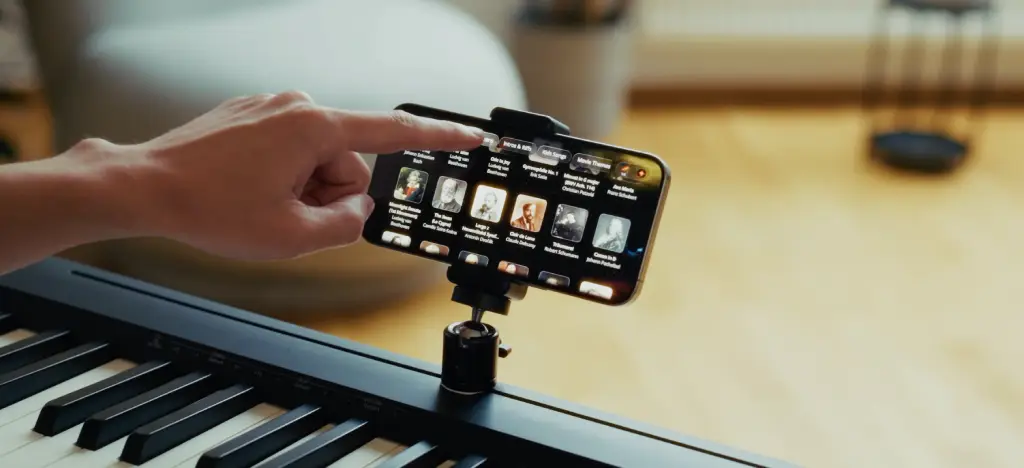
Using piano apps changed the way I approached learning other people's music. I've learned Chopin's Prelude in E minor, Clocks by Coldplay and 7 Years by Lukas Graham. I also wanted to learn Love Story by Indila and Chasing Cars by Snow Patrol, so I imported those into Artie rather than being restricted to the music already available in the app.
For me, one of the biggest advantages of learning visually was incredibly simple: I could clearly see where to put my fingers. That removed one of the barriers I'd struggled with when I had traditional piano lessons as a child. Instead of trying to decode a page of notation while simultaneously working out what both hands were supposed to be doing, I could concentrate on physically playing the music.
And in doing that, I found I was learning more than just the individual songs.
💡 ARTMASTER TIP: Want to try learning a complete song yourself? Start with our list of 20 easy piano songs for beginners, including Clocks, Let It Be and Your Song.
Learning patterns rather than just following notes
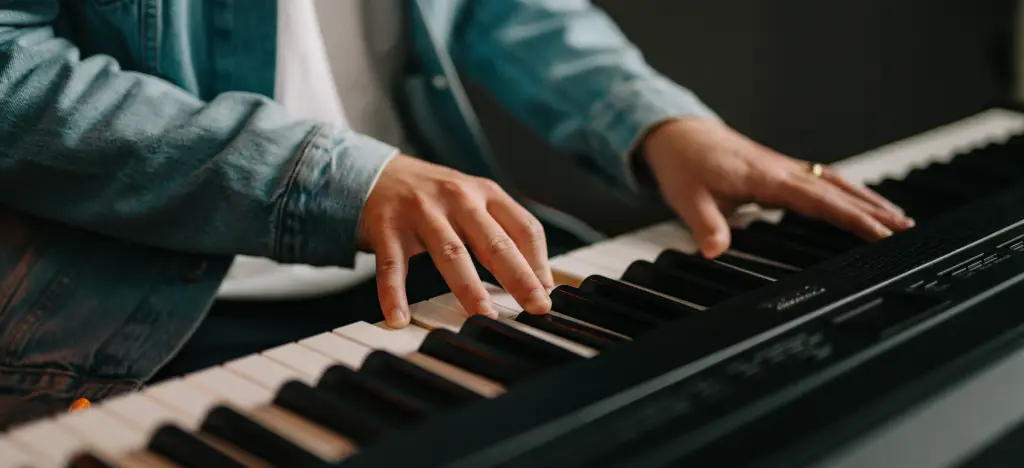
One argument against learning through falling notes is that you're just following instructions on a screen. That hasn't been my experience. By learning songs this way, I've become much more familiar with recurring patterns and chord shapes. I'm learning them in a practical, hands-on way rather than starting with the theory and then trying to apply it to the keyboard.
Over time, you start to recognise shapes and similarities between things you've played before, and your hands become familiar with certain movements around the keyboard. There's also a fairly simple test of whether I've actually learned the music: I can play the pieces without the app afterwards. The app is a tool I use to learn the piece; it isn't something I need to have in front of me forever.
💡 ARTMASTER TIP: Once you start spotting patterns, music becomes much easier to understand and remember. Find out why patterns are one of the keys to learning music.
Where piano apps fall short
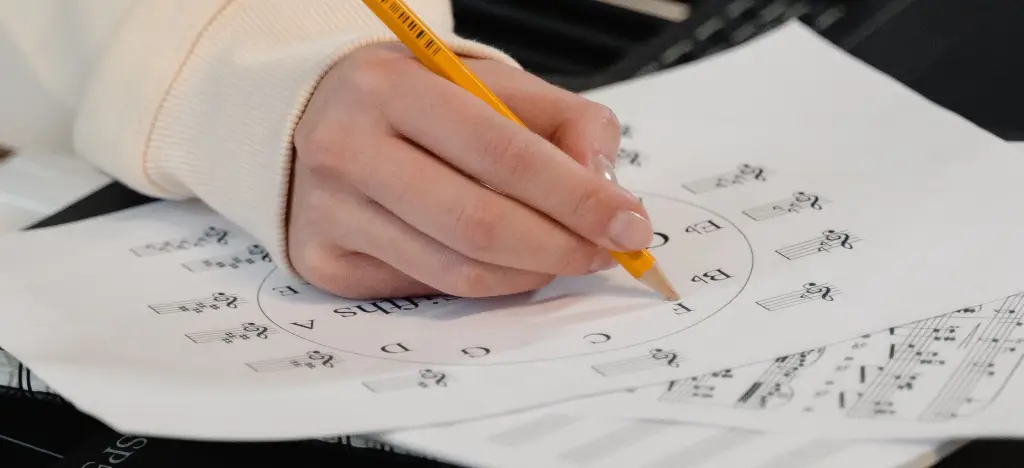
There are limitations, and the biggest one for me is theory. An app can get you playing notes, patterns, chords and songs surprisingly quickly, but that doesn't necessarily mean you'll understand why the music works. Depending on the app and the way you use it, you may also learn very little about traditional notation.
If your ambition is to become a classically trained pianist, that's a significant limitation. You'll need to be able to read sheet music, and you'll eventually need a deeper understanding of technique and interpretation. There's also obvious value in having a real teacher who can watch what you're doing and spot things an app might miss.
But it comes back to what you're trying to achieve. I don't think somebody who simply wants to enjoy playing songs as a hobby necessarily needs the same education as somebody who wants to study classical piano seriously.
Do you need a piano teacher?
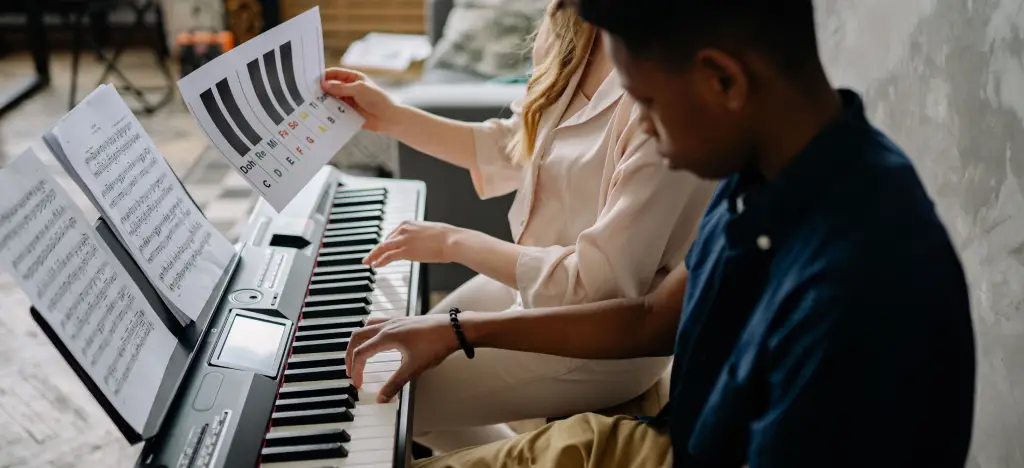
Eventually, maybe. Immediately, I don't think everyone does. A teacher is a significant commitment, both in time and money, while starting with an app gives you an easy way to find out whether you actually enjoy playing piano before making that commitment.
I think that's one of the strongest arguments for apps. They can get somebody over that initial barrier of looking at a piano and thinking that playing it is impossibly difficult. You can start with a song you actually want to play, see yourself improving and experience what it feels like to make recognisable music relatively quickly.
If that gets you hooked and you decide you want to go further, then getting a teacher makes perfect sense if you can afford one. You might decide you want to learn to read music properly, understand more theory, improve your technique or take your playing much further. The app doesn't have to be the end of your musical education; it can simply be the thing that gets you started.
💡 ARTMASTER TIP: You don't need hours at the piano to make progress. Our 10-minute daily piano routine shows you how to make short practice sessions count. If you want some guidance while you practise, try Artie.
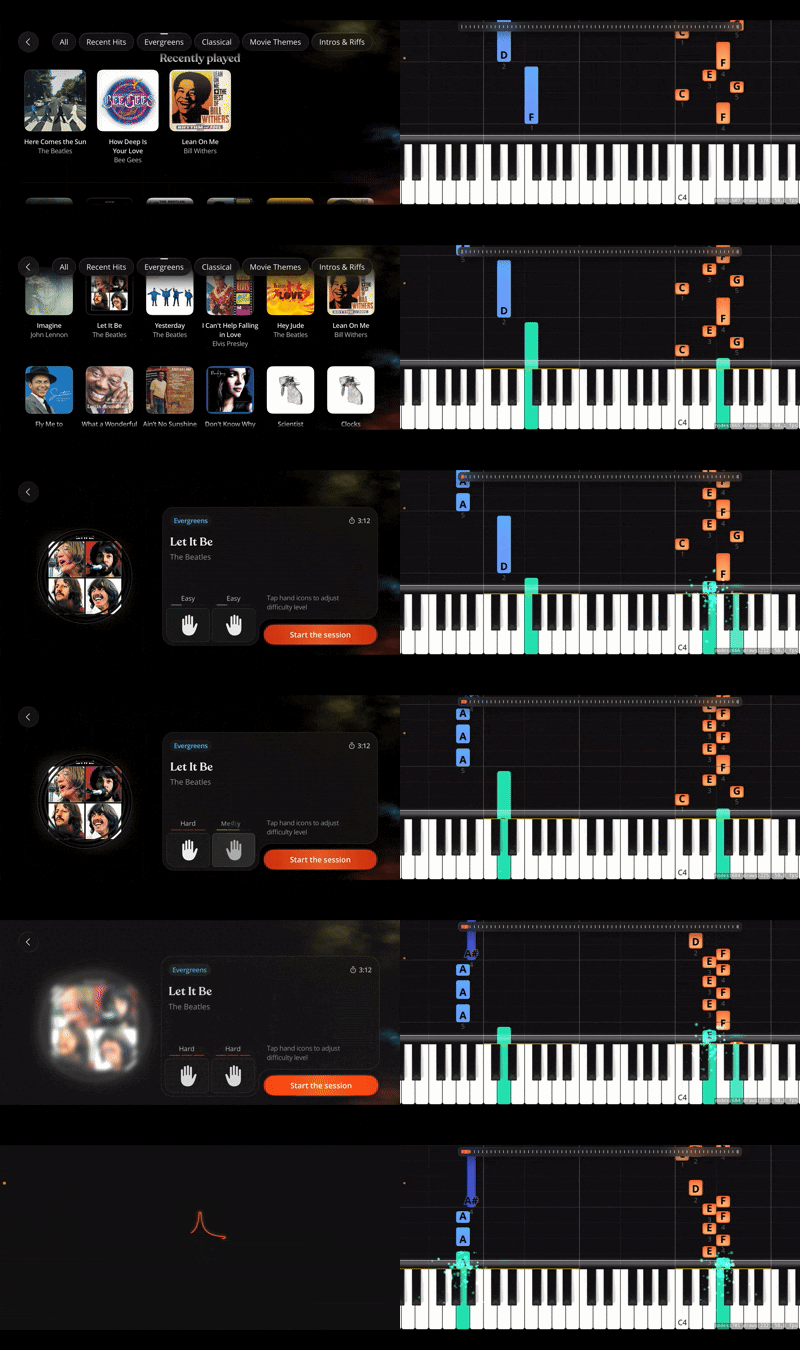 Download Artie on the App Store
So, can you really learn piano with an app?
I think you can, because I've done it. I'm not claiming an app has turned me into a concert pianist. What it has done is help me learn pieces I wanted to play, while giving me a much better practical understanding of patterns and chord shapes on the keyboard. Most importantly, I've learned those pieces well enough that I can then sit down and play them without having the app in front of me.
For me, that counts as learning piano.
If your ambition is classical training, I'd see an app as a starting point rather than a replacement for lessons. But if you want to play songs you love, make music and enjoy the piano as a hobby, I don't think you need to wait until you've mastered sheet music or can afford weekly lessons before you start.
Sometimes the best way to learn piano is simply to start playing it.
About the author
Matt Ford is a musician, music educator and writer at ArtMaster. With a background in classical music, playing in bands, music technology and teaching, he writes about practical ways to learn and make music.
FAQs: learning piano with an app
Can you really learn piano with an app?
Yes. A good piano app can help you learn notes, chords, patterns and complete songs, particularly as a beginner. You can also learn pieces well enough to play them later without the app. However, if your goal is advanced technique, classical training or detailed interpretation, it's worth combining an app with lessons from a piano teacher.
Can you learn piano with an app without reading sheet music?
Yes. Some piano apps use falling notes and other visual methods, so you can start learning songs without being able to read traditional notation. Reading sheet music becomes much more important if you want to pursue classical piano or develop strong sight-reading skills.
Can a piano app replace a piano teacher?
For some beginners, an app can be enough to get started and learn songs independently. A teacher still has advantages, particularly for correcting technique, developing musical expression and providing detailed personal feedback. You don't necessarily have to choose one or the other: an app can also be used for regular practice alongside lessons.
How long does it take to learn piano with an app?
You can start playing simple notes, patterns and parts of songs from your first few sessions, but becoming a confident pianist takes regular practice over time. Short, consistent sessions can be easier to sustain than occasional long practices.
What is the best piano app for beginners?
It depends on how you prefer to learn. Artie is designed around falling notes, guided practice and AI feedback; Simply Piano offers a more structured step-by-step course; Flowkey focuses heavily on learning songs with sheet music; Skoove takes a more traditional approach; and Yousician uses gamification and scoring.