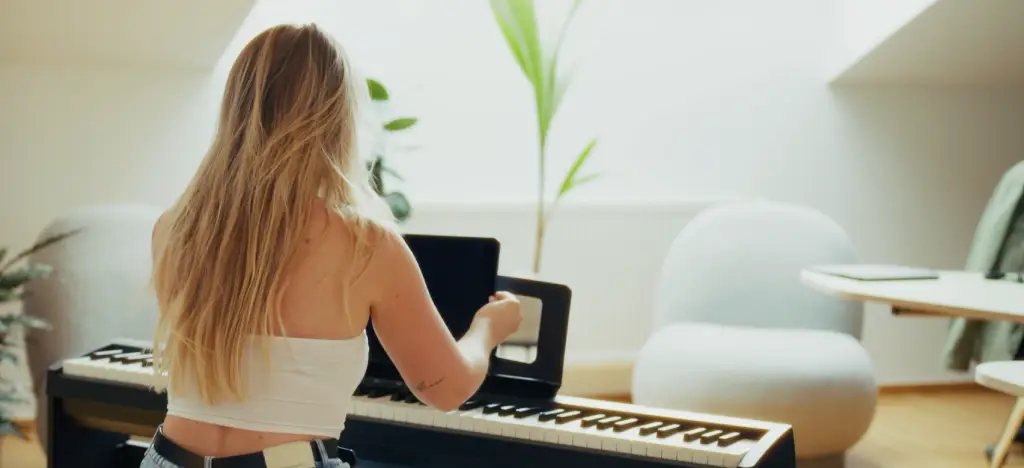
Think you need an hour every day to learn piano? You don't.
For most piano beginners, 10 focused minutes every day is enough to make real progress. In fact, a short daily routine is usually more effective than one long practice session at the weekend. Learning piano isn't about practising for as long as possible. It's about practising consistently.
If you've got a keyboard, a few minutes to spare and the right approach, you can start building the skills that matter from day one.
- What you'll need
- Why 10 minutes is enough
- Before you start
- Follow the same 10-minute routine every day
- Practice smarter
- Review your progress once a week
- Common beginner problems
- FAQs: Learning piano 10 minutes a day
- Final thoughts
- About the author
What you'll need
You don't need much to get started.
A digital piano, keyboard or acoustic piano
A piano learning app or beginner course
A chair or bench at a comfortable height
Headphones if you need to practise quietly
A timer
Ten uninterrupted minutes
If possible, leave your keyboard set up rather than packing it away after every session. The easier it is to sit down and play, the more likely you are to stick with it.
💡 ARTMASTER TIP: Don't have an instrument yet? Read our guide to choosing the best keyboard or digital piano for beginners before you buy.
Why 10 minutes is enough
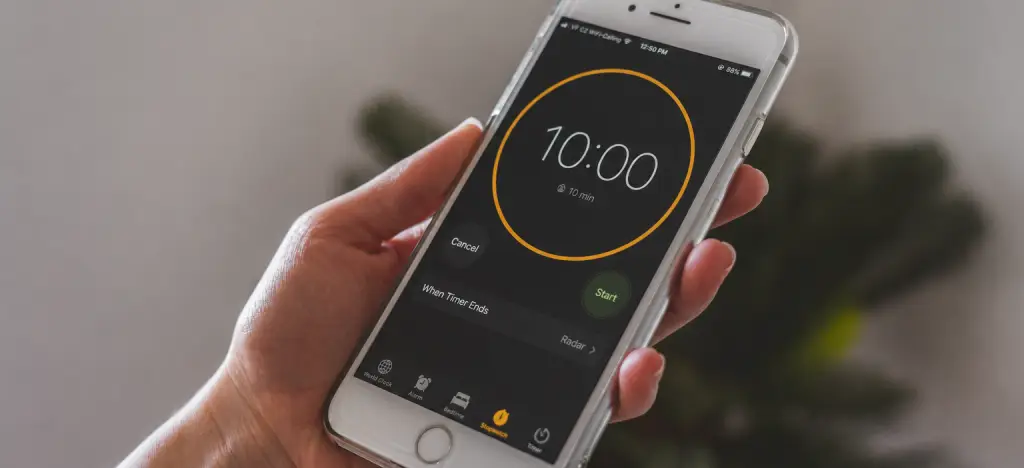
One of the biggest mistakes beginners make is thinking they need to practise for hours.
In reality, how you practise matters much more than how long you practise. Research on motor learning shows that repeated, focused practice helps build the movement patterns needed for musical skills, while studies of habit formation suggest that smaller, consistent routines are easier to maintain than ambitious ones.
That's why ten focused minutes every day can be so effective. It gives you regular repetition without feeling overwhelming, making it much easier to build a habit you can actually stick to.
Many beginners don't give up because piano is too difficult. They give up because they can't see themselves improving. A short, repeatable practice routine helps you notice those small wins, making it much easier to stay motivated.
Before you start
Get your setup right
Before you start practising, make it as easy as possible to sit down and play.
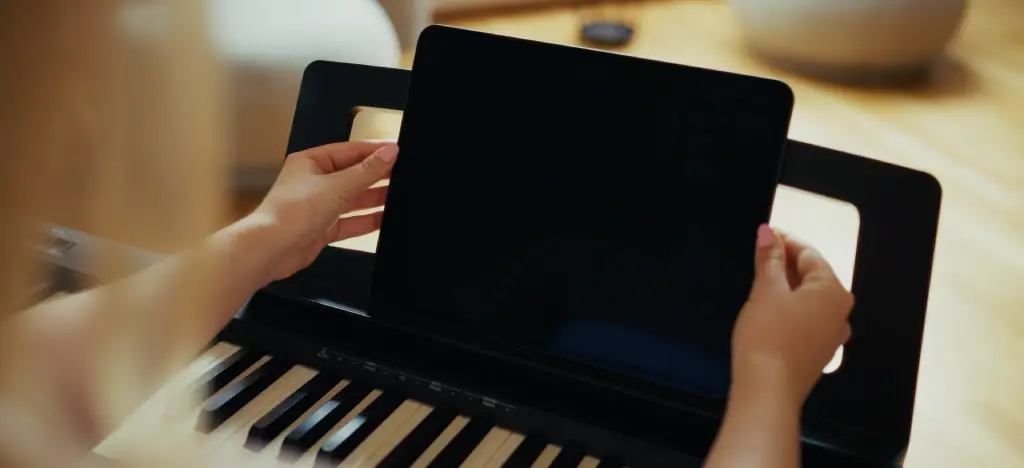
If possible, leave your keyboard set up rather than packing it away after every session. Keep your music, tablet or lesson book within easy reach, and choose a chair or bench that lets you sit comfortably.
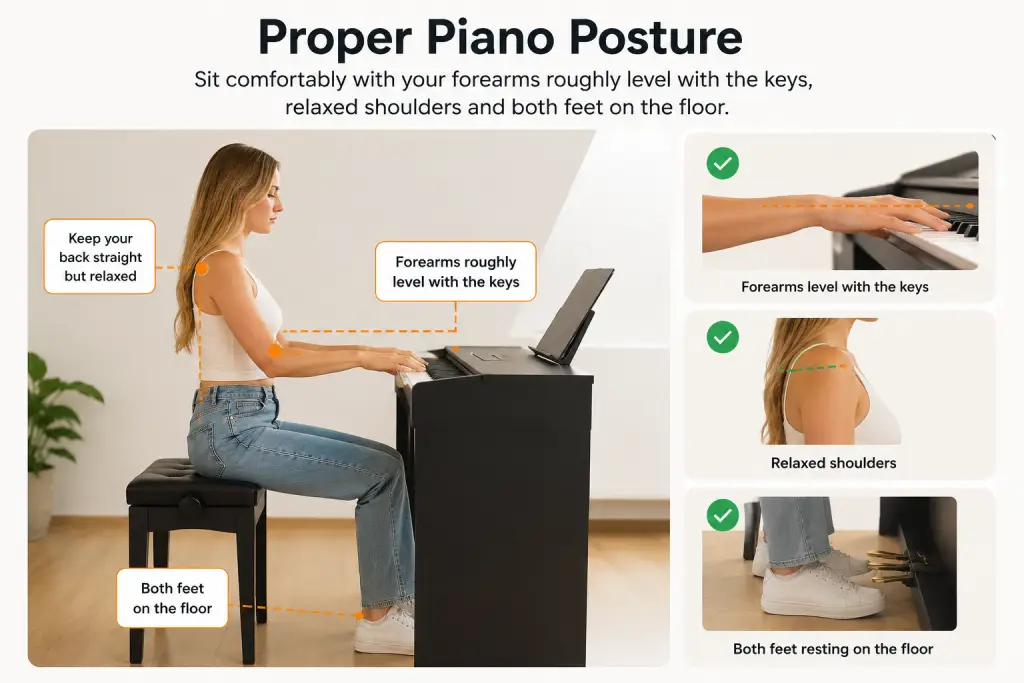
Finally, check your posture. Sit with relaxed shoulders, your forearms roughly level with the keyboard and both feet flat on the floor.
Using a piano app?
Connect your keyboard with MIDI if it's supported. If you're using microphone detection, check that the app can hear your piano clearly before you begin.
Pick one learning method and stick with it
It's easy to think there's a perfect way to learn piano. Some people jump between YouTube tutorials, apps, books and sheet music, hoping the next method will finally make everything click. In reality, constantly switching often means you're starting over instead of building on what you've already learned.
Pick one method that suits the way you like to learn and give it a fair chance. If you enjoy structured, interactive lessons, use a piano app. If you prefer reading music from the start, work through a beginner method book. If learning with a teacher keeps you motivated, stick with regular lessons. Whatever you choose, commit to it for at least a few weeks before deciding whether it's right for you.
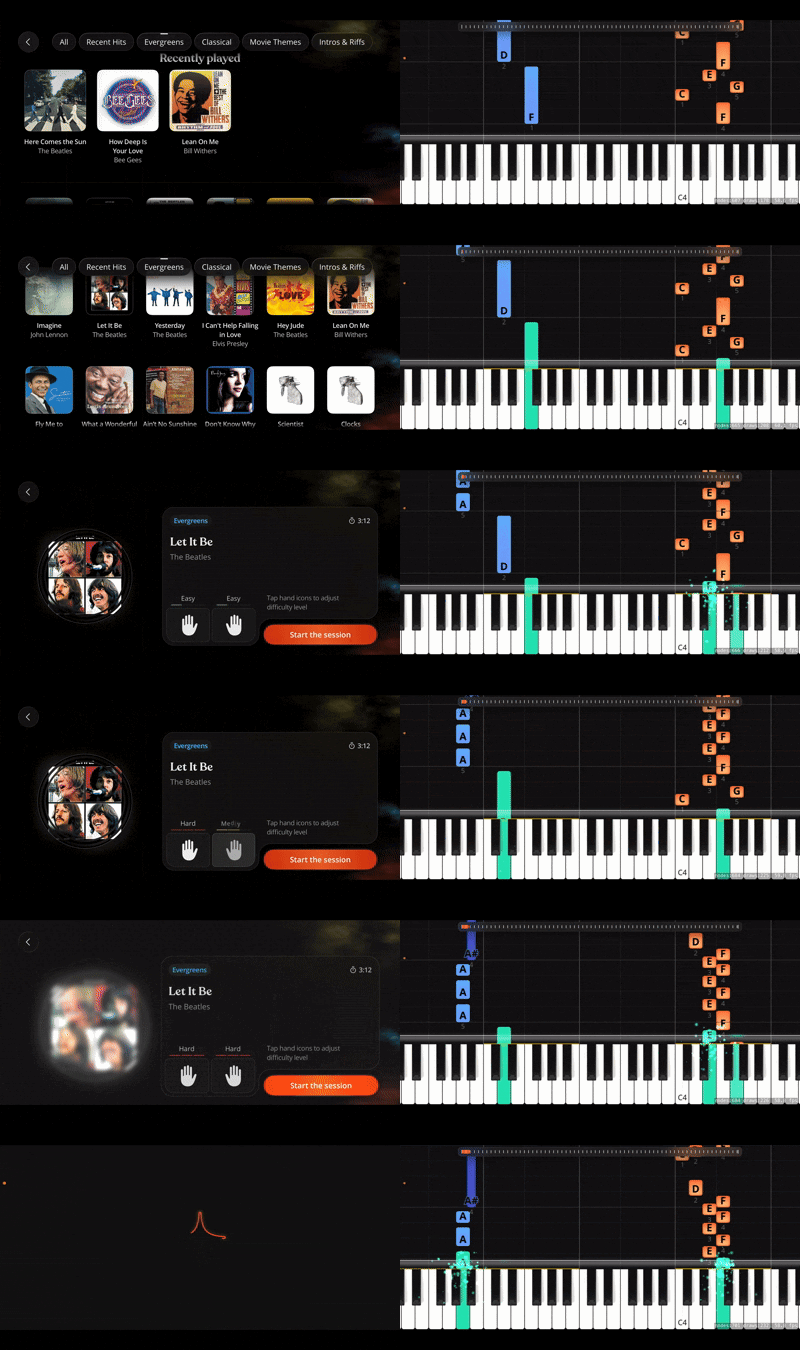
If you're using an app like Artie, features like Wait Mode, looping and tempo control make short practice sessions much more productive because you can slow things down and focus on the sections you're struggling with. At the end of each lesson, Artie also gives you an evaluation of your performance, so you can see what improved and what still needs work instead of simply moving on to the next exercise.
💡 ARTMASTER TIP: Not sure which learning method suits you? We've compared teachers, apps, YouTube and online courses in our complete beginner's guide.
Follow the same 10-minute routine every day
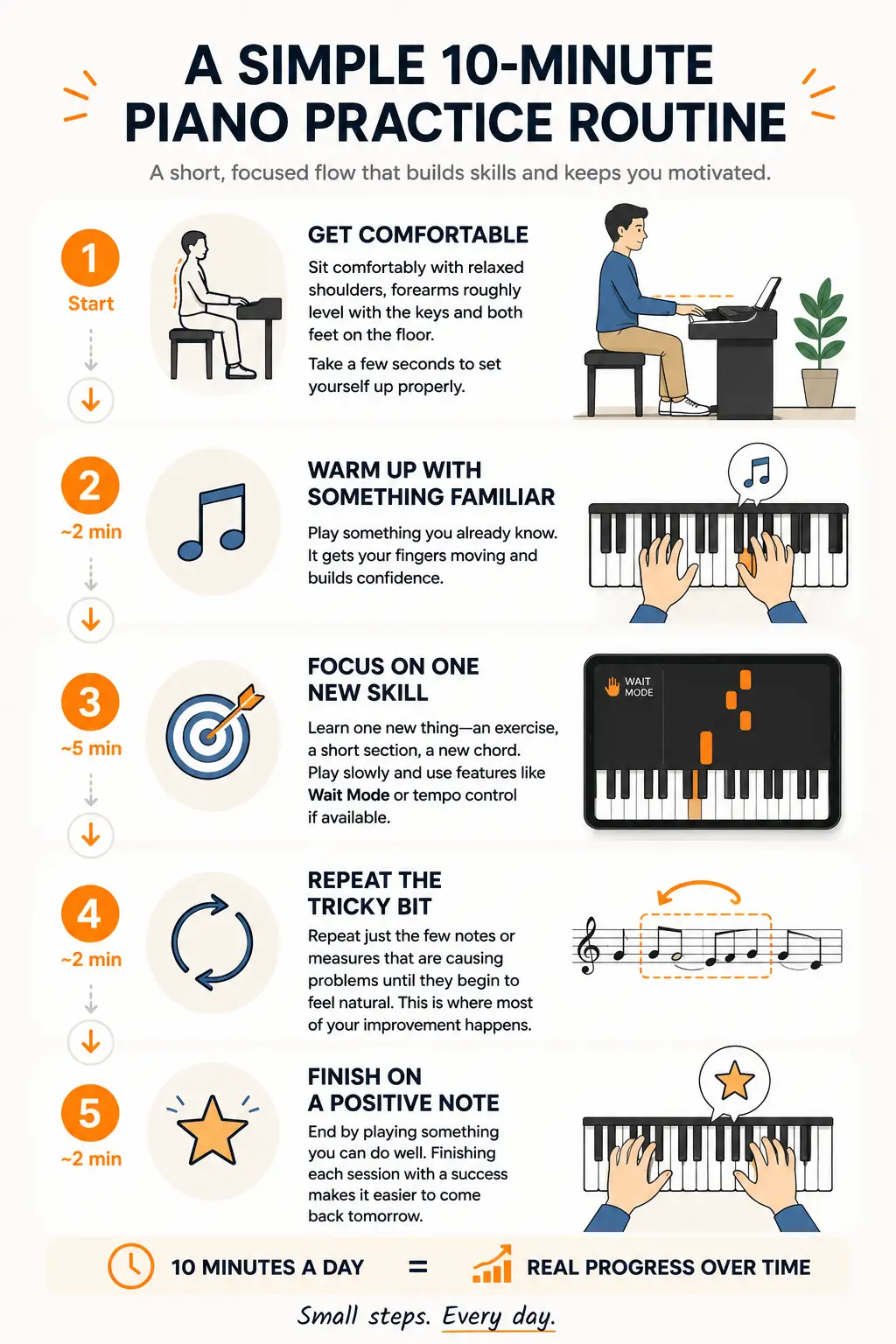
If you've only got ten minutes, don't waste two of them deciding what to practise.A simple routine removes that decision and helps practice become automatic.
Start by getting comfortable
Before you play a note, make sure you're sitting comfortably with relaxed shoulders, your forearms roughly level with the keyboard and both feet on the floor. Taking a few seconds to set yourself up properly makes practising much more comfortable.
Warm up with something familiar
Rather than jumping straight into a new lesson, play something you already know. It could be yesterday's exercise or a simple melody. This gets your fingers moving and builds confidence.
Focus on one new skill
Spend most of your session learning just one thing. That might be a new exercise, a short section of a song or a new chord. Play slowly and don't worry about speed. If your app includes features like Wait Mode or tempo control, use them.
Repeat the tricky bit
When you make a mistake, resist the temptation to start the whole piece again. Repeat just the few notes that are causing problems until they begin to feel natural. That's where most of your improvement happens.
Finish on a positive note
End by playing something you can do well. Finishing each session with a small success makes it much easier to come back tomorrow.
💡 ARTMASTER TIP: Playing songs you already recognise makes practising much more enjoyable. Our Artie song tutorials are designed for exactly that.
Practice smarter
Learn the keyboard before worrying about every note
Many beginners think they need to memorise the entire keyboard straight away. You don't.
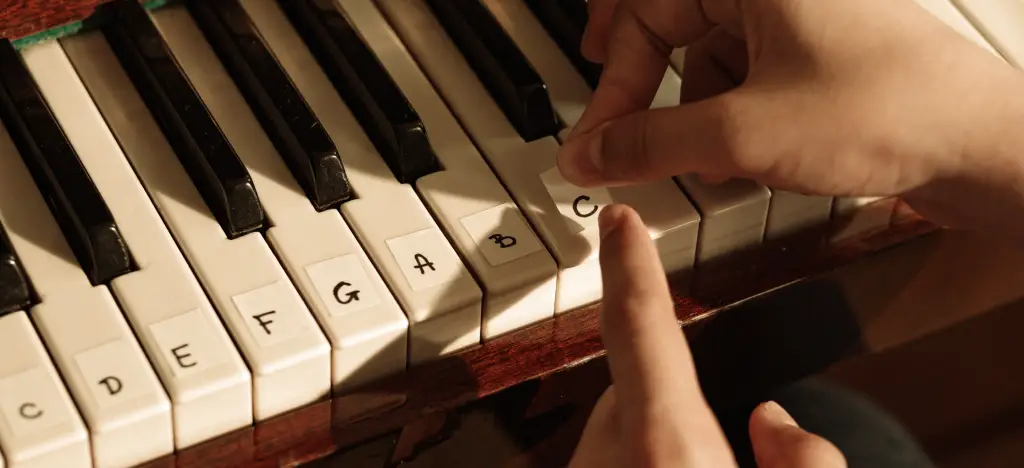
Start by recognising a few key landmarks instead.
Find Middle C, then learn where D and G are in relation to the black keys. As those notes become familiar, the keyboard starts to feel much less confusing, and reading music becomes easier because your hands already know where they're going.
Slow down
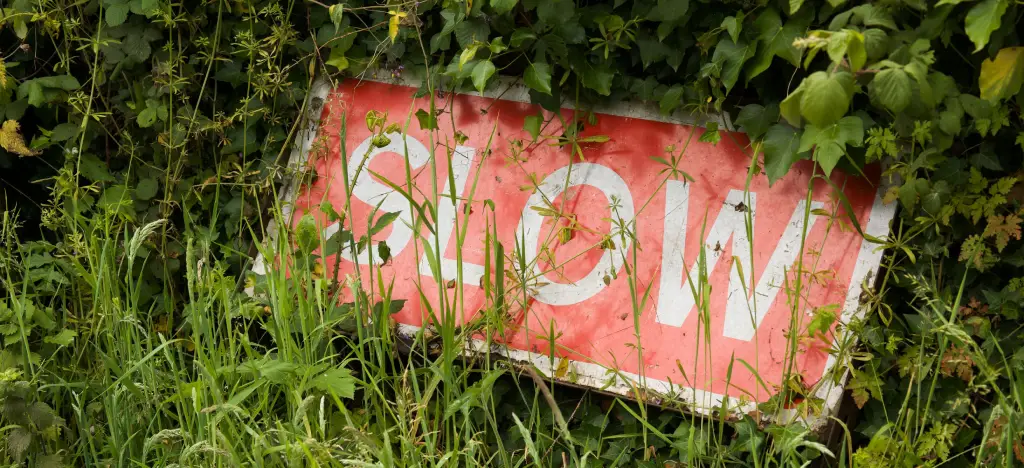 Almost everyone wants to play songs at full speed as quickly as possible.
Unfortunately, that's also one of the quickest ways to get frustrated.
If you're making lots of mistakes, slow the tempo down. Play one hand at a time if necessary, count the rhythm aloud and don't move on until the section feels comfortable. It might seem slower in the moment, but it's usually the fastest way to learn.
Focus on one song
There's nothing wrong with wanting to learn your favourite music, but trying to learn five songs at once rarely works.
Choose one piece and stick with it until you can play it confidently.
Break it into small sections, practise each section separately and only move on when it feels comfortable. At the end of the week, record yourself. Most beginners are surprised by how much better they sound after just a few days of consistent practice.
💡 ARTMASTER TIP: Playing songs you already recognise makes practising much more enjoyable. Our Artie song tutorials are designed for exactly that.
Review your progress once a week
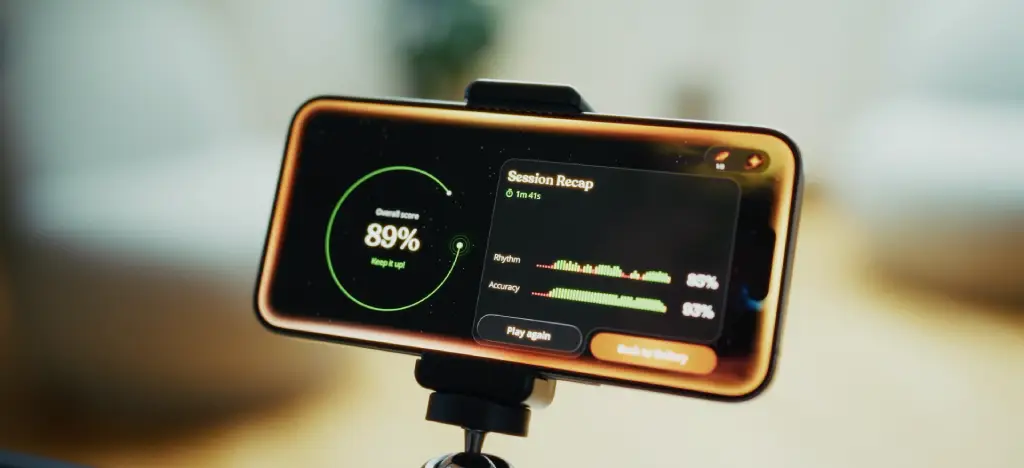 Rather than looking for a new method every weekend, spend a few minutes looking at what you've achieved. If you're using Artie, review the evaluation from your recent lessons as well. It highlights things like timing and note accuracy, making it much easier to see where you're improving and what still needs a little more practice.
Ask yourself:
Which lesson feels easier than it did last week?
Which section still needs work?
What did my lesson evaluation highlight most often?
Am I practising consistently?
What's one thing I can improve next week?
Keep your changes small. A slower tempo, an easier song or an extra minute on difficult sections is usually all you need.
💡 ARTMASTER TIP: Feeling stuck? Our article 'The first month is where people decide they're "not musical"' explains why most beginners lose confidence — and how to avoid it.
Common beginner problems
I keep pressing the wrong notes
Slow everything down and work on just three or four notes at a time. Accuracy comes before speed.
I can play each hand separately but not together
Practise each hand until it feels comfortable, then combine them at a much slower tempo.
My app isn't recognising the notes
Check your microphone permissions, reduce background noise and move your device closer to the piano. If your keyboard supports MIDI, using a direct connection usually gives the most accurate results.
I feel like I'm not improving
Don't compare today's practice with yesterday's. Compare it with last week's. Progress is often gradual, but it adds up much faster than most beginners realise.
FAQs: Learning piano 10 minutes a day
Can you really learn piano in 10 minutes a day?
Yes. Ten focused minutes is enough to build good habits, improve coordination and start learning simple songs. The key is practising consistently rather than occasionally.
Is this routine suitable for adults?
Absolutely. Most adults don't have hours to spare every day, which is why a short, repeatable routine works so well. It's realistic enough to fit around work, family and everything else life throws at you.
Should I learn with an app or a teacher?
Both are good options. A teacher offers personal feedback, while an app lets you practise whenever you have time. Many beginners start with an app and decide later whether they want in-person lessons as well.
How long before I can play songs?
Many beginners can play simple melodies within a few weeks. Everyone learns at a different pace, but practising for ten minutes every day will usually get you further than occasional marathon sessions.
Final thoughts
Learning piano at home doesn't have to take over your day. If you can set aside ten focused minutes and repeat the same routine consistently, you'll build confidence, improve your technique and start enjoying the instrument much sooner than you might expect.
The hardest part isn't finding more time. It's showing up tomorrow. Ten minutes doesn't feel like much, but repeated every day, it's enough to build a skill that can last a lifetime.
About the author
Matt Ford is a musician, writer and father based in Prague. He writes about music learning, creativity and technology for ArtMaster.